
Independent Contractor vs Employee: A UK Innovator Visa Checklist

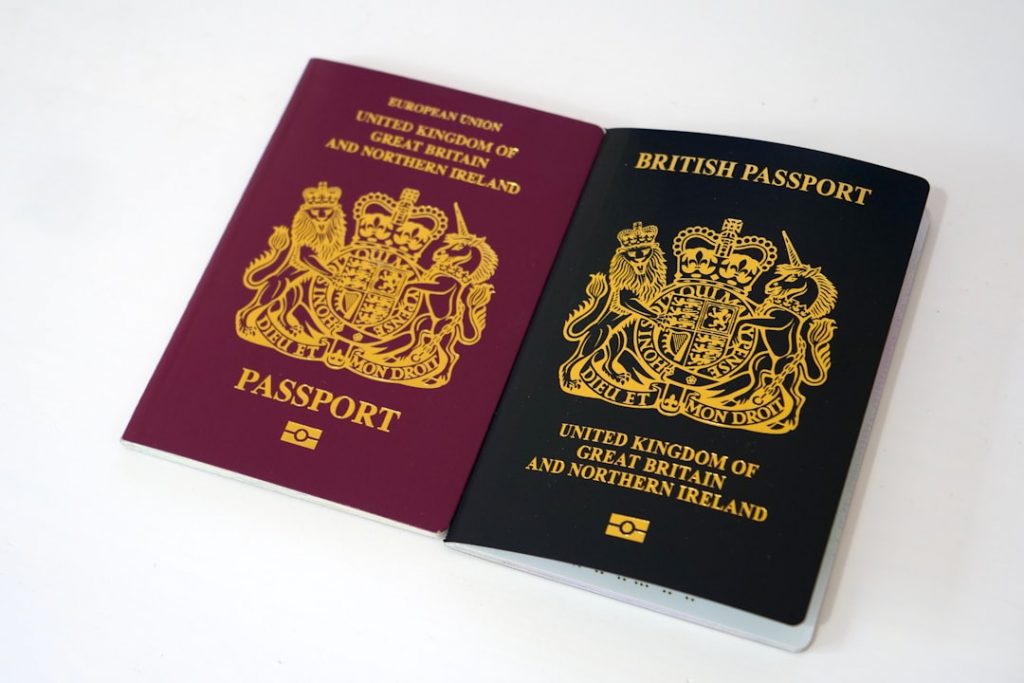
Your Quick Guide to Contractor vs Employee on the UK Innovator Visa checklist
The thrill of launching a fresh venture under the Innovator Visa can stall if you slip on a simple detail: worker classification. Are your team members employees or independent contractors? Get it wrong, and you risk compliance issues, endorsement delays, or—yikes—rejection. This article uncovers the must-know differences so you can fill out your UK Innovator Visa checklist with confidence. Ready to simplify the process? Try the Discover the AI-Powered UK Innovator Visa checklist Assistant for tailored, real-time advice.
We’ll break down the HMRC’s three classification tests—behavioural, financial and relationship—and show exactly how each affects your visa application. You’ll get a clear, step-by-step UK Innovator Visa checklist covering everything from endorsement letters to tax proof. Plus, practical tips to sidestep common pitfalls and a peek at how Torly.ai’s AI-Powered UK Innovator Visa Application Assistant sharpens your compliance and boosts your approval odds.
Why Worker Classification Matters for Your Application
Thinking classification is just a payroll concern? Think again. The Home Office and endorsing bodies want to see robust business practices. If HMRC flags mismatches between how you describe your contractors and how you actually pay them, your UK Innovator Visa checklist can unravel fast.
Employees and independent contractors tick different boxes:
- Employees: tax and National Insurance handled by you, plus holiday pay and pension obligations.
- Contractors: self-employed, submit invoices, run their own expenses.
A clear classification strategy protects your business model, demonstrates financial responsibility and fortifies your application against last-minute compliance setbacks.
Understanding the Classification Tests
Understanding how HMRC decides if someone is an employee or contractor prevents surprises. Let’s unpack the three main tests.
1. Behavioural Control
Does your business dictate what, when and how tasks are done? If you set strict hours, direct daily methods or require training sessions, HMRC sees an employee. Contractors typically choose their own hours and approach.
2. Financial Risk
Who pays for the kit, travel and software? Independent contractors usually shoulder their own costs and might invoice for revisions. Employees get a salary and expense claims. Evidence of shared financial risk is key to proving self-employment in your UK Innovator Visa checklist.
3. Type of Relationship
Look at the nature and duration of contracts. Ongoing engagements, paid holidays or pension schemes indicate employees. Short-term, deliverable-based deals point to contractors. Document this clearly so endorsing bodies can tick the right box.
How Classification Impacts Your Visa Checklist
Worker classification isn’t a side note—it’s part of your core business plan. Each item on your UK Innovator Visa checklist should tie back to correct worker status. Here’s what you need:
- Contracts that reflect true working arrangements.
- Signed invoices or pay slips, depending on status.
- Proof of National Insurance contributions or self-assessment returns.
- Clear records of expense handling.
- A staffing outline in your business plan showing roles, durations and payment terms.
Cut the guesswork—Check your classification on the AI-Powered UK Innovator Visa checklist Assistant to verify every detail.
Step-by-Step UK Innovator Visa checklist
Ready for the full rundown? Here’s a concise list you can copy into your application file:
- Endorsement letter from an approved endorsing body.
- Business plan outlining innovation, viability and scalability.
- Proof of funds (min. £50,000 or equivalent company funding).
- Worker classification documentation:
– Employee: payroll records, payslips, NI contributions.
– Contractor: signed agreements, invoices, proof of expense coverage. - Financial forecasts and cash-flow statements.
- CV showcasing your entrepreneurial experience.
- English language certificate (IELTS, TOEFL or equivalent).
- TB test results, if you’re from a listed country.
- Valid passport and travel history.
- Optional: supplier/client contracts to highlight market traction.
- Index labels matching each document to your UK Innovator Visa checklist item.
Ticking every box here gives endorsing bodies no reason to pause. Next, let’s tackle the common traps.
Common Pitfalls and How Torly.ai Helps
Even seasoned founders can slip up. Here are three traps and how Torly.ai’s AI-Powered UK Innovator Visa Application Assistant keeps you safe:
- Vague Contracts: Rewriting legal PDFs at the last minute? Not ideal. Torly.ai flags ambiguous clauses and suggests clear, status-correct terms.
- Missing Tax Records: Forgot your most recent self-assessment return? The platform scans your folder, spots gaps, and prompts for uploads.
- Inconsistent Narratives: Home Office wants a consistent story across your staffing, finances and business model. Torly.ai cross-checks every detail so your application reads as one unified plan.
By integrating AI-driven assessments with real-time feedback, Torly.ai turns your UK Innovator Visa checklist into a living, breathing roadmap rather than a static to-do list.
Testimonials
“Working with Torly.ai was a game-changer. The AI-Powered UK Innovator Visa Application Assistant highlighted a missing NI slip I didn’t even know I needed. My endorsement came through in half the usual time.”
— Alex Chen, Tech Startup Founder
“I’d been wrestling with contractor agreements and visa guidelines. Torly.ai’s tool walked me through each classification test and ensured my UK Innovator Visa checklist was perfect. Highly recommend!”
— Sara Ahmed, HealthTech Entrepreneur
Conclusion
Getting your classification right is more than ticking boxes—it’s proof your business stands on solid ground. With a clear UK Innovator Visa checklist, you minimise compliance risks and fast-track endorsement. Remember to:
- Understand HMRC’s behavioural, financial and relationship tests.
- Document every contract, invoice and tax record.
- Align your staffing plan with your business plan.
Need ongoing support? Get started with the Get started with the AI-Powered UK Innovator Visa checklist Assistant and turn a daunting application into a structured, confidence-boosting journey. Good luck!